
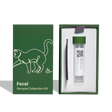
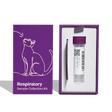
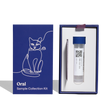

Every Petwealth kit runs on PCR. This is the same testing technology used in human hospitals and laboratories around the world. You don't need to understand the science for it to work. But if you're trusting a test with your pet's health, you deserve to know exactly what happens to that sample. So here it is, in plain language.
What PCR actually does
PCR stands for polymerase chain reaction. In practice, it does one thing extremely well: it finds the genetic fingerprint of a specific organism, a parasite, a bacterium, a virus, even if only a trace of it is present.
Think of it as a photocopier for DNA. If a pathogen's genetic material exists in your pet's sample, even in tiny amounts, PCR copies that fragment millions of times until it's unmistakable. If it's not there, nothing gets copied. That's what makes the result so clear: found, or not found.
Why it catches what other tests miss
Traditional pet testing often relies on someone spotting a parasite egg under a microscope. It works when the organism happens to be visible in that particular sample, on that particular day. Many infections shed intermittently, which is how a dog with giardia can test "clear" on a slide while still being infected.
PCR doesn't need to see the organism. It detects the DNA the organism leaves behind, which means:
- Earlier detection: often before symptoms appear
- Fewer misses: intermittent shedders still leave genetic traces
- Specific answers: not "some kind of parasite," but which one, by name
What happens to your pet's sample, step by step
- You collect at home. A gentle swab or a small stool sample about 60 seconds, everything included in the kit.
- It ships free to the lab. The prepaid mailer keeps your sample stable in transit.
- The lab runs the panel. Your sample is processed in a our in-house diagnostic laboratory, the same certification standard human labs operate under. Each panel screens for a defined list of pathogens at once.
- Results are reviewed. Findings are checked for clinical accuracy before anything reaches you.
- You get a plain-language report. In 24–48 hours from lab receipt: what was found, what it means for your pet, how serious it tends to be, and what to do next, including when to involve your veterinarian.
Where PCR fits and where your vet does
PCR answers one question with confidence: what is present? Your veterinarian answers the bigger ones: what it means alongside a physical exam, and how to treat it. That's why every Petwealth report is written to be shared, pet parents regularly bring results straight to their vet, turning a vague "something's off" visit into a focused conversation with data on the table.
Petwealth is not a veterinarian, and testing doesn't replace one. It makes the time between "I'm not sure" and "here's the plan" much, much shorter.
Common questions
How accurate is PCR?
PCR is the reference standard for pathogen detection in modern medicine. It's what other tests are measured against. Like any test, it reflects the sample it's given, which is why collection instructions matter and why every result is reviewed before release.
Why do results take 24–48 hours?
The panel itself runs in hours; the rest is careful handling, sample intake, the PCR run, and review of your report. We'd rather be right than instant.
Do I need a different kit for dogs and cats?
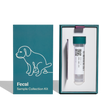
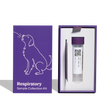
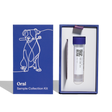
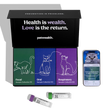
Yes — panels are species-specific, because the pathogens that matter differ. There are dog kits and cat kits for fecal, oral, and respiratory health, plus a complete kit covering all three.


